
Someone sitting across from a therapist in a quiet office, working through the same patterns week after week, might eventually hit a wall. Not because the therapy is wrong, but because some people process differently. They think with their hands. They access emotion through effort. They open up after shared struggle in ways they never would in a chair.
Adventure therapy exists for those people. It is a form of experiential therapy where the clinical work happens through structured physical activity and guided reflection, not through conversation alone. It is used inside residential treatment programs as one modality among many, facilitated by trained clinicians. It is not a vacation, not a wilderness bootcamp, and not a reward for good behavior. When done well, it is serious therapeutic work that happens to take place outdoors.
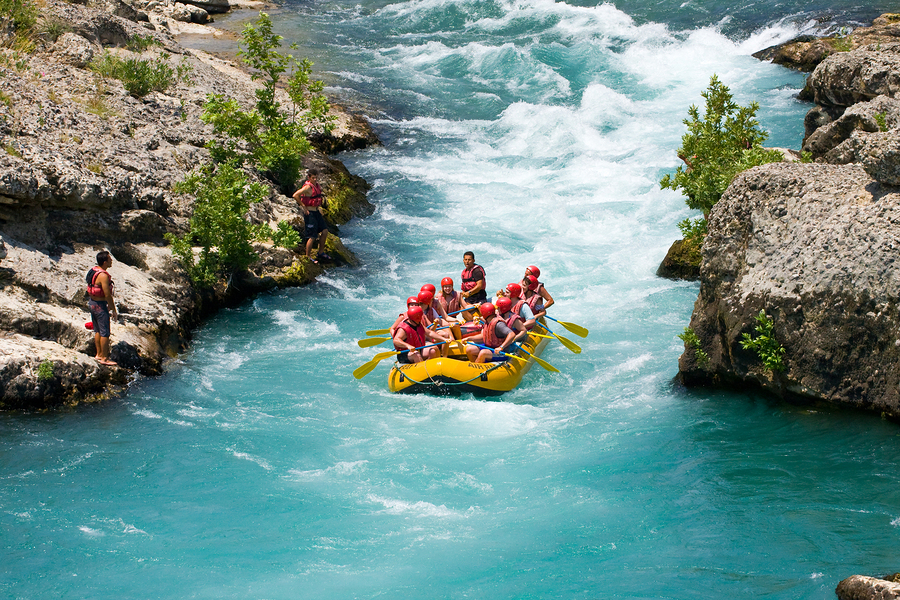
If you are evaluating treatment options for yourself or someone you care about, understanding what adventure therapy actually involves, who it helps, and what the research does and does not support will help you tell the difference between a meaningful clinical tool and an expensive amenity.
What Adventure Therapy Actually Is
Adventure therapy uses experiential activities, typically outdoors and involving some degree of physical challenge or perceived risk, as the medium through which therapeutic goals are pursued. The activities are not the point. They are the vehicle. The point is what surfaces during and after them: patterns of avoidance, responses to stress, difficulties with trust, the way someone handles uncertainty or asks for help.
A trained therapist designs and facilitates the experience with specific clinical intentions. The activity creates a situation that mirrors real-life emotional dynamics in a compressed, observable way. Then the therapist helps the participant make meaning from what happened. Without that facilitation and processing, the activity is recreation. It might be enjoyable, even beneficial, but it is not therapy.
Adventure therapy is most commonly used as a component within a broader residential treatment program, alongside individual therapy, group work, and psychiatric care. It supplements the primary treatment plan rather than replacing it.
The Main Forms and What Differentiates Them
Not all adventure therapy looks the same. Different modalities serve different clinical purposes, and a well-designed program matches the activity to the person’s treatment goals rather than running everyone through the same itinerary.
Wilderness and Backcountry Expeditions
Multi-day trips into remote settings where participants carry what they need and navigate together. These create sustained exposure to discomfort, interdependence, and problem-solving under real conditions. They are particularly effective at disrupting the controlled environments high-functioning individuals have built around themselves, stripping away the usual props and roles.
Ropes and Challenge Courses
High and low ropes courses, climbing walls, and similar structured challenges isolate specific moments of fear, trust, and decision-making. A person standing on a platform 40 feet up, deciding whether to step off, is confronting something very real, and the way they respond tells a therapist a great deal about how they handle vulnerability.
Equine-Assisted Therapy
Working with horses on the ground (grooming, leading, guiding through obstacles) rather than riding them. Horses respond to nonverbal cues and emotional states with remarkable sensitivity, giving participants immediate, honest feedback that no human therapist can replicate. This modality often reaches people who are highly guarded or who have learned to perform emotional availability without actually feeling it.
Surfing and Ocean-Based Activity
Increasingly common in coastal California programs. The ocean is inherently unpredictable and demands presence. Surfing in particular requires a person to stop trying to control and instead respond to what is happening in the moment, a physical metaphor that translates directly into therapeutic processing afterward.
Hiking and Climbing
Simpler in logistics but no less effective. Sustained physical effort on a trail creates a rhythm that loosens psychological defenses. Many therapists report that participants disclose things on a hike they have never said in a session room. The side-by-side posture, the shared exertion, the absence of eye contact, all reduce the pressure that formal settings can create.
Team-Based Initiatives
Group problem-solving tasks such as navigation challenges, raft-building, or coordinated physical puzzles. These surface interpersonal dynamics quickly: who leads, who withdraws, who controls, who accommodates. They are especially useful for people whose substance use or mental health challenges have eroded their ability to function in relationships.
What a Session Looks Like From Start to Finish
The structure of an adventure therapy session matters as much as the activity itself. It typically follows three phases.
Briefing and Goal Setting
Before the activity begins, the facilitator frames the experience in the context of each participant’s treatment goals. This is not a pep talk. It is deliberate clinical framing. A participant working on perfectionism might be asked to notice when they try to control the outcome. Someone working on isolation might be asked to practice asking for support. The goal setting gives the activity therapeutic direction.
The Activity
During the experience itself, the facilitator observes, intervenes when clinically appropriate, and allows the natural challenges of the activity to create emotional responses. The key is that these responses are genuine. They are not role-played or hypothetical. When someone panics on a rock face or shuts down during a team exercise, that is real data.
The Debrief
This is where most of the clinical value lives. After the activity, the group or individual sits with the therapist and processes what happened. What came up emotionally? What patterns appeared? How did the experience connect to the larger issues being addressed in treatment? The debrief transforms a physical experience into psychological insight. Without it, the session is incomplete.
If a program cannot clearly describe its debrief process, that is a significant red flag.
Who Adventure Therapy Tends to Suit
Adventure therapy is not for everyone, and responsible programs do not treat it as universally appropriate.
It tends to work especially well for people who intellectualize in talk therapy, offering articulate explanations for their behavior while never actually feeling anything. Physical challenge bypasses that defense. It also reaches people who deflect with humor, who have “done therapy before” and know how to perform progress, or who simply process the world kinesthetically rather than verbally.
It can be particularly effective for young adults, who may not yet have the developmental capacity for sustained introspective conversation but respond powerfully to embodied experience. Many wilderness and adventure-based programs have been designed specifically for people in their late teens through mid-twenties. While the centers in this network serve adults, adventure therapy components are often well-matched to younger participants in that range.
When It May Not Be Appropriate
Adventure therapy is typically contraindicated or requires significant adaptation for people in acute medical detox, where physical exertion poses real risk. It may also be unsuitable for individuals with severe untreated trauma, for whom physical intensity or perceived danger can be destabilizing rather than therapeutic. People with certain physical limitations may need modified activities, which a good program will accommodate rather than use as a reason to exclude.
The clinical team should be making these determinations on a case-by-case basis. If a program runs all participants through the same adventure activities regardless of their clinical presentation, that is not individualized treatment.
What the Evidence Actually Says
The honest answer is that research on adventure therapy is promising but limited. Most studies have used small sample sizes, lacked control groups, or measured outcomes inconsistently across programs. The protocols vary widely, making it difficult to compare results or draw firm general conclusions.
That said, what evidence exists is encouraging. The Substance Abuse and Mental Health Services Administration recognizes experiential therapies as a category of practice within behavioral health treatment. Research compiled through the National Institute on Drug Abuse supports the broader principle that engaging multiple modalities in treatment improves outcomes compared to single-modality approaches.
Studies in the field have generally found improvements in self-efficacy, self-concept, interpersonal trust, and locus of control among adventure therapy participants. Several have shown reductions in depressive symptoms and anxiety. But these findings come with caveats: participant self-selection, short follow-up periods, and difficulty isolating the effect of adventure therapy from the other treatment components delivered alongside it.
What clinicians and program directors consistently report, and what decades of practice support, is that adventure therapy creates therapeutic breakthroughs that traditional settings sometimes cannot. That clinical consensus carries weight even where randomized controlled trials remain sparse.
The responsible position is this: adventure therapy is a well-established experiential modality with meaningful clinical application and a growing but incomplete evidence base. It should be chosen because it fits the individual, not because it sounds impressive.
How to Evaluate a Program That Offers Adventure Therapy
This is where the distinction between a clinical tool and a marketing feature becomes sharp. When a treatment center advertises adventure therapy, ask these questions:
- Who facilitates the sessions? The person leading the activity should hold clinical credentials, not just outdoor certifications. A master’s-level therapist with training in experiential modalities is the standard. If the adventure component is run by a guide with no clinical background and no therapist present, it is an outing, not therapy.
- Is there a structured debrief? Every session should include intentional processing facilitated by a clinician. Ask what that looks like and how long it takes. If the answer is vague, the program may be offering activities without clinical integration.
- How is safety and risk managed? Responsible programs maintain clear safety protocols, medical clearance processes, and staff-to-participant ratios that allow for both physical safety and clinical observation. Risk should be perceived and managed, not actual and uncontrolled.
- Is it integrated with the primary treatment plan? Adventure therapy sessions should connect to the goals established in individual therapy and clinical assessments. The therapist running the adventure component should be communicating with the rest of the treatment team. If it operates in a silo, its value is diminished.
- Is it individualized? Not every client should do every activity. A program that matches adventure therapy components to individual clinical needs is operating at a higher level than one that schedules the same itinerary for everyone.

The criteria used to vet centers in this network include clinical team qualifications, staff ratios, program structure, and treatment integration, precisely the factors that separate meaningful adventure therapy from window dressing.
The Distinction That Matters Most
Every high-end treatment center in California can take clients surfing. Many can arrange a hike or a day with horses. What separates adventure therapy from a nice afternoon is clinical intentionality: the briefing, the trained eye watching during the experience, and the debrief that turns physical sensation into psychological understanding.
If you are considering a program that includes adventure therapy, or if you are drawn to this modality because traditional approaches have not worked, the right questions to ask are not about which activities are offered. They are about who is in the room, what their credentials are, how the experience connects to the rest of treatment, and whether the program can explain exactly how an afternoon on a ropes course becomes a turning point in someone’s recovery.
Those answers will tell you whether you are looking at therapy or at recreation with a clinical label. If you want help identifying programs that meet that standard, reach out directly and ask. That is what this resource exists for.